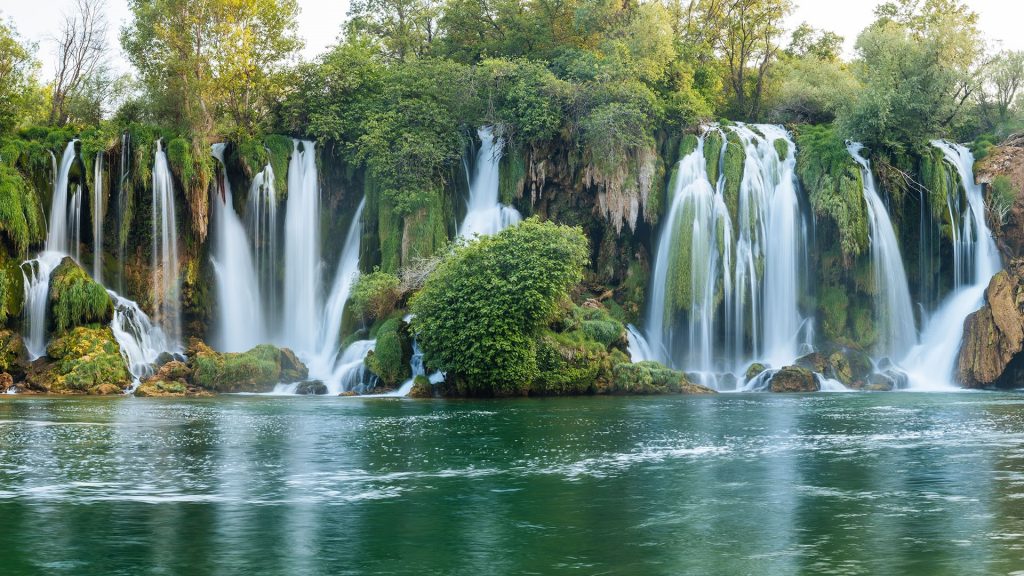
Kravica Waterfall
40 min drive from Medjugorje
This natural site features a wide limestone amphitheater and cascading falls that provide a contrast to the religious sites in Medjugorje.

The journey from Dubrovnik to Mostar crosses an international border and two distinct landscapes. Understanding the route, crossing points, and road conditions helps you plan arrival times and navigate the Herzegovina region with confidence.
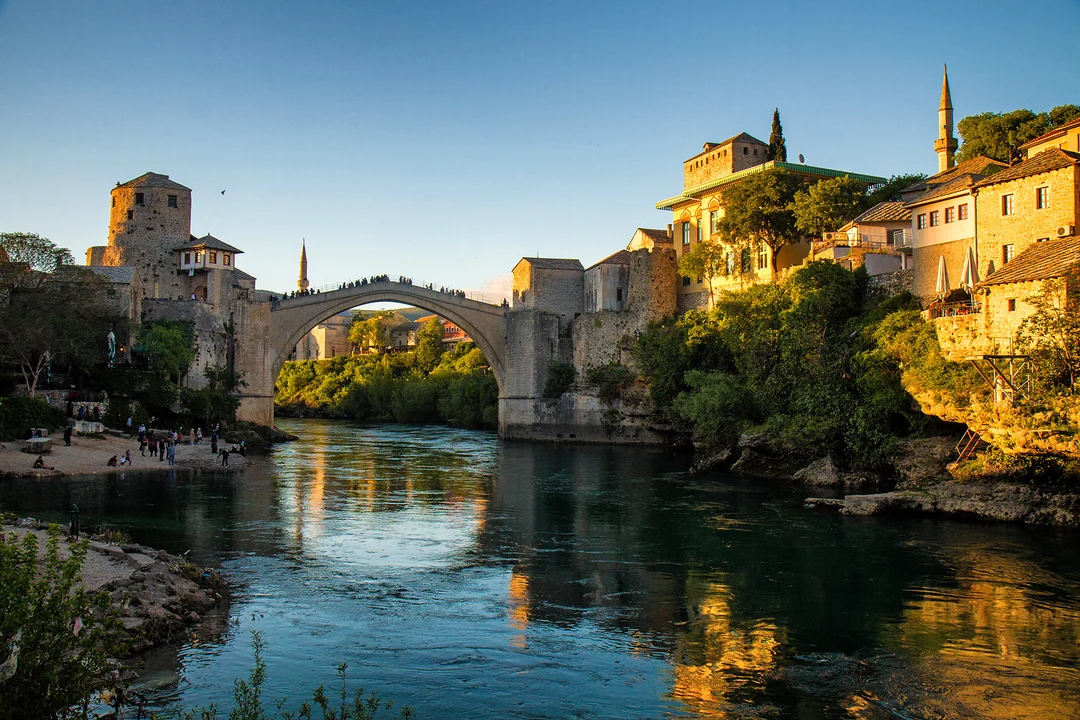
Quick answer
The distance between Dubrovnik and Mostar is approximately 140 kilometers (87 miles) by road via the most direct route through the Ravno border crossing. Travel time typically ranges from 2.5 to 3 hours, depending on border wait times and road conditions. The route passes through Croatian coastal territory before entering Bosnia and Herzegovina, requiring passport control at the international crossing point.
The Adriatic Highway connects Dubrovnik's fortified peninsula to the karst plateaus of Herzegovina through a corridor that has linked Mediterranean and Balkan trade routes for centuries. Modern travelers cover the 140-kilometer span in under three hours when conditions align, but the journey's character shifts dramatically at the border—Croatian coastal asphalt gives way to narrower Bosnian roads that climb through tobacco fields and war-scarred villages before descending into the Neretva River valley. Two primary crossing points serve the Dubrovnik-Mostar corridor. The Ravno crossing offers the most direct path, cutting northeast from the coastal highway near Zaton and rejoining the main Mostar road at Ljubinje. The alternative Zvirići-Ivanica crossing adds 15 kilometers but provides a smoother approach through Čapljina, favored by commercial traffic and travelers continuing to Medjugorje. Both crossings process tourist vehicles efficiently during daylight hours, though summer weekends can stretch wait times to 45 minutes as beachgoers return north and pilgrimage buses funnel into Herzegovina. Road surfaces deteriorate noticeably after the border. The Croatian E65 maintains four-lane European motorway standards, but Bosnia's M6 narrows to a two-lane regional road with irregular maintenance and minimal shoulder space. Sections between Stolac and Buna feature tight switchbacks where buses and trucks reduce traffic flow to walking pace. The final approach into Mostar proper threads through dense residential blocks—GPS routing often directs visitors into one-way streets unsuitable for anything larger than a sedan. The route's elevation profile matters more than raw distance for planning fuel stops and driver fatigue. Dubrovnik sits at sea level; the road climbs to 650 meters near Ravno before dropping back to 60 meters at Mostar's Ottoman core. The ascent taxes older vehicles and amplifies summer heat. Fuel stations cluster near border crossings and at Stolac, the natural midpoint, but services thin out along the highland stretches. Drivers who depart Dubrovnik after breakfast typically reach Mostar's outskirts before the midday heat peaks, preserving energy for navigating the city's narrow historic lanes and locating parking outside the pedestrian zone.
“The 140-kilometer corridor transforms from Mediterranean motorway to Balkan highland road in the space of a single border crossing.”
The distance between Dubrovnik and Medjugorje is approximately 135 kilometers. Travelers primarily use the D8 and E73/M17 roads to cross the border between Croatia and Bosnia and Herzegovina.
D8 to M6.1 via Neum border crossing
Direct departures from Dubrovnik Main Bus Station
Private transfer via D8 and E73
Ensure your passport is ready for the mandatory border control checks at the Neum corridor. For the smoothest experience, plan your arrival between 06:00 and 17:00 to avoid mid-day heat and large crowds.
The optimal time to visit Medjugorje when traveling from Dubrovnik is during the spring or autumn months. Arriving early in the day avoids peak temperatures and minimizes congestion during the daily evening prayer program.
Mild, 15°C to 23°C
Spring offers comfortable walking temperatures for visiting St. James Parish Church.
Hot, 25°C to 35°C
Summer heat is intense; plan outdoor activities for early hours to mitigate exposure.
Pleasant, 18°C to 26°C
These months provide stable weather and fewer visitors than the peak summer season.
—
Arriving between 06:00–17:00 ensures a quieter experience before evening services begin.
Verdict: Tuesday to Thursday, arriving between 06:00 and 09:00, during the months of April or October.
This timeline suits travelers on a day trip from Dubrovnik, accounting for approximately 2.5 hours of driving each way and 4–5 hours exploring Medjugorje's pilgrimage sites.
Leave early to reach Medjugorje by mid-morning, allowing time for the border crossing into Bosnia and Herzegovina. The drive follows the coastal route before turning inland.
Begin with the outdoor pilgrimage path leading to the site where the apparitions were first reported. The rocky trail takes 30–45 minutes to climb; wear sturdy footwear.
Explore the church interior and attend a service if scheduled. The church anchors the pilgrimage complex and offers a quieter atmosphere before midday crowds arrive.
Pause at a local restaurant near the church grounds. Most venues serve traditional Bosnian dishes and cater to international visitors.
Tackle the steeper trail to the white cross erected in 1934, taking 60–90 minutes round trip. This path is more demanding than Apparition Hill but rewards with panoramic valley views.
Allow buffer time for the return journey, aiming to cross back into Croatia before evening. Expect similar transit duration as the morning leg.
St. James Parish Church in Medjugorje remains open daily throughout the week for visitors. The schedule facilitates access for those traveling from the Dubrovnik and Mostar region.
Access to the St. James Parish Church in Medjugorje is provided without charge. There are no entrance fees for visitors traveling from Dubrovnik.
Verdict: A typical adult pays 0 BAM to enter, as the site does not charge admission fees for any category of visitor.
Several points of interest lie directly along the route between Dubrovnik and Mostar, making them practical stops for those traveling through the region. Integrating these locations allows for a more varied itinerary that balances urban exploration with natural landscapes.
40 min drive from Medjugorje
This natural site features a wide limestone amphitheater and cascading falls that provide a contrast to the religious sites in Medjugorje.
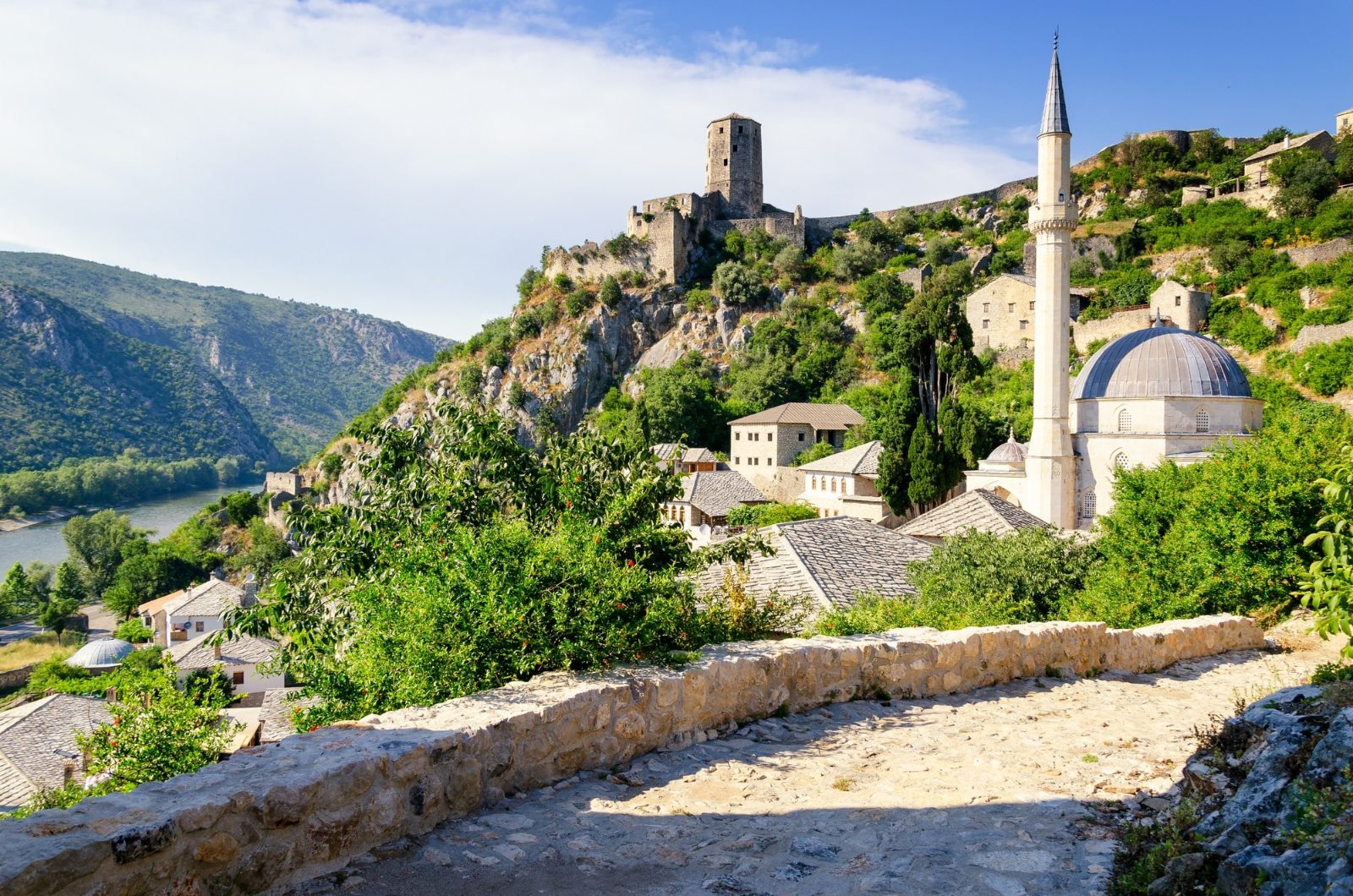
20 min drive from Medjugorje
This historic village sits on the banks of the Neretva River and offers a preserved example of Ottoman architecture and medieval fortifications.
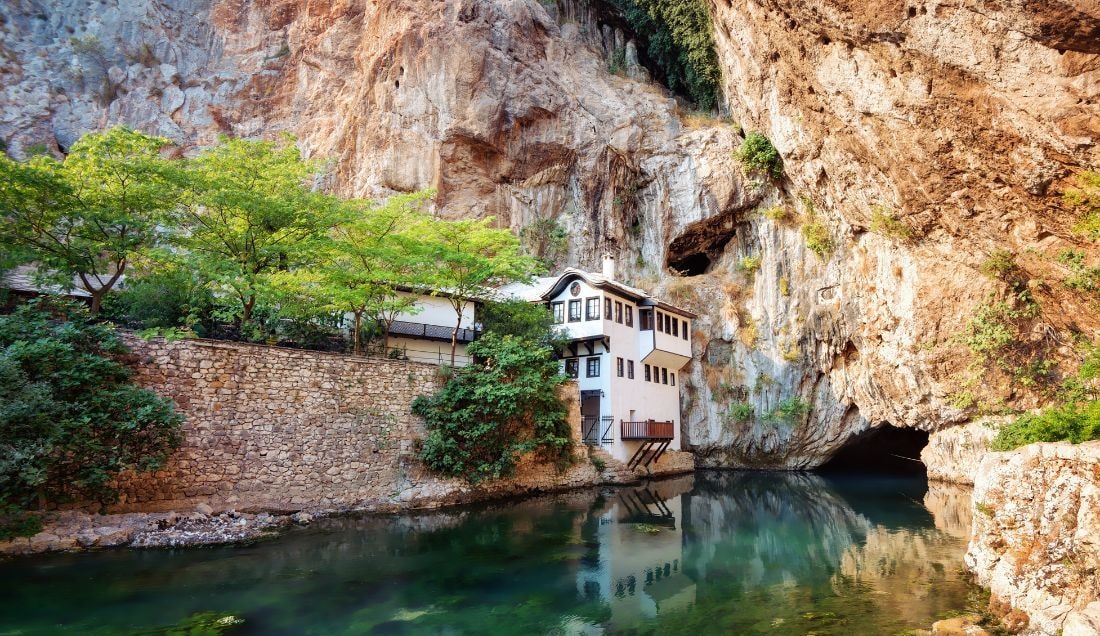
35 min drive from Mostar
Located at the source of the Buna River, this dervish monastery is positioned beneath a high cliff and serves as a significant cultural and architectural landmark.
Everything you need to know about distance between dubrovnik and mostar
The distance between Dubrovnik and Mostar is approximately 140 kilometers, depending on your specific route through Bosnia and Herzegovina. This journey typically takes about 2.5 to 3 hours by car or bus.
Many visitors combine their travel to this region by booking a Mostar and Medjugorje tour from Dubrovnik. These excursions allow you to see major landmarks like the St. James Parish Church in a single day.
While the physical distance between Dubrovnik and Mostar is relatively short, travel times fluctuate based on traffic and seasonal border queues. Plan for extra time during peak summer months when tourism volume is higher.
Entrance to the St. James Parish Church is 0 BAM, meaning there is free entry for all visitors. You do not need to purchase a ticket to access the parish grounds or participate in prayer programs.
The best arrival window is 06:00–17:00 to avoid mid-day heat and large crowds during the evening prayer program. Visiting within this timeframe ensures a smoother experience at this important spiritual site.
Yes, calculating the distance between Dubrovnik and Mostar requires accounting for crossing the international border. Ensure you carry your passport or valid travel identification, as border controls are mandatory when entering Bosnia and Herzegovina.