
English| USD
Suggested for you
More currencies
Choose a language
Mostar sits 90 minutes northwest of Medjugorje across the border in Bosnia and Herzegovina. The city centers on a reconstructed 16th-century bridge and a cobbled Ottoman quarter that UNESCO protects. Pilgrims and Dubrovnik tourists treat Mostar as a half-day detour—but the question of whether that detour earns its place in a tight itinerary depends on what you value in a destination.
Quick answer
Yes, Mostar is worth visiting from Medjugorje if you have four to five hours to spare. The UNESCO-listed Stari Most bridge and surrounding Ottoman old town offer architecture, history, and Balkan atmosphere you will not find in coastal Croatia. The crossing involves a border stop, but the journey rewards travelers seeking cultural depth beyond religious sites. Most visitors allocate a half-day for the round trip and exploration.
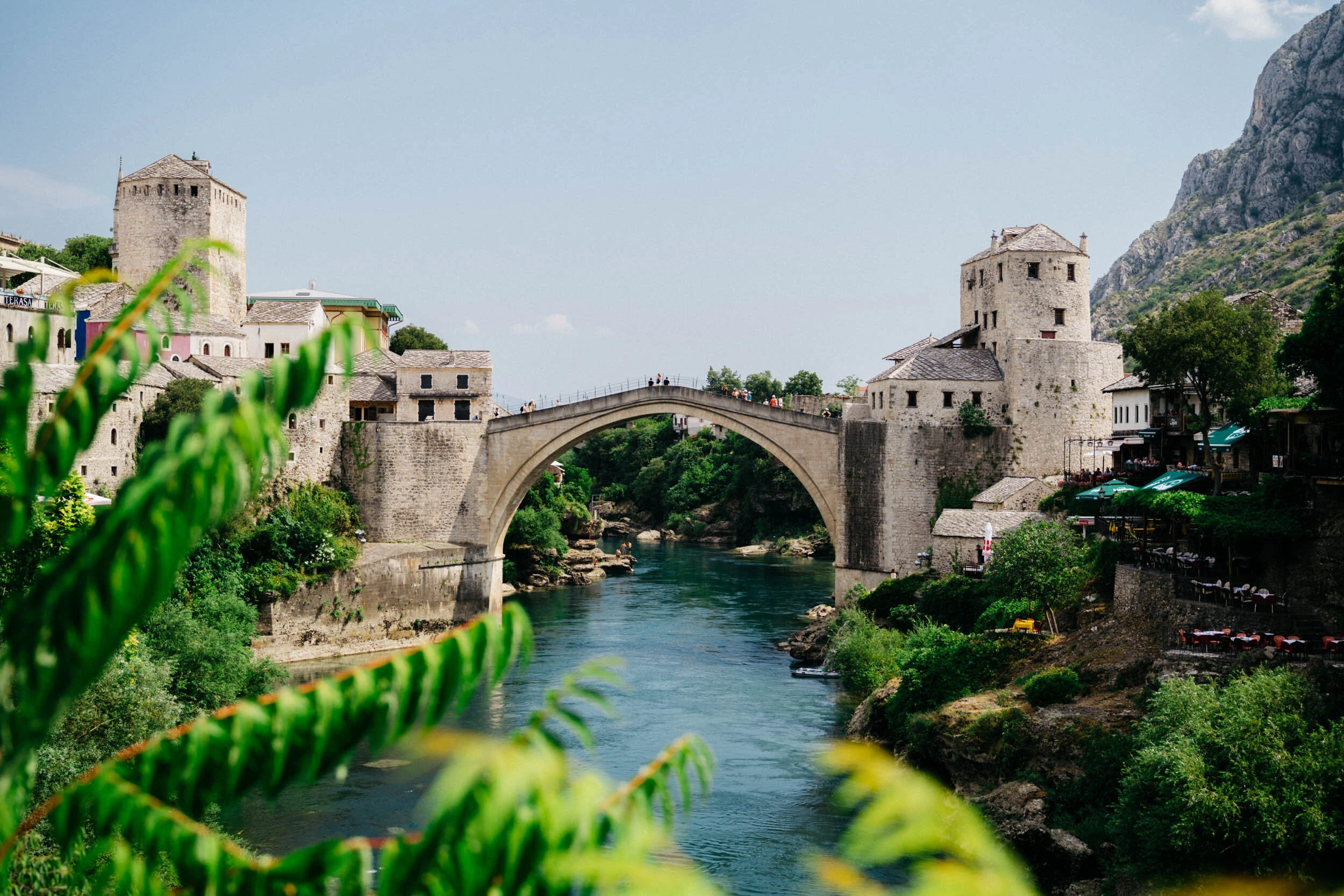
The Stari Most bridge arches 24 meters above the Neretva River, rebuilt stone by stone after wartime destruction using Ottoman-era techniques. That single structure anchors a question travelers ask daily in Medjugorje guesthouses: is Mostar worth visiting when pilgrimage schedules are already full. The answer hinges on what a border crossing buys you. Mostar delivers layered history—Ottoman mosques, Austro-Hungarian facades, and recent conflict scars coexist within a ten-minute walk. The old bazaar sells hand-hammered copperware in workshops unchanged since the 16th century. Riverside cafes serve Bosnian coffee in copper džezva pots, a ritual distinct from Italian espresso culture dominating the Adriatic coast. Bridge divers perform calculated leaps for gathered crowds, a tradition documented since 1664. These elements combine into an experience coastal Croatia does not replicate. The practical calculus matters. The drive from Medjugorje takes 90 minutes each way, including a passport check at the Bosnia-Herzegovina border. That commitment makes sense for travelers who value cultural immersion over additional shrine time. Mostar rewards curiosity about Balkan heritage, Islamic architecture, and post-conflict reconstruction. It disappoints visitors expecting coastal scenery or efficient sightseeing—the old town demands slow exploration, uneven cobbles, and tolerance for souvenir density. Compared to Dubrovnik's polished maritime grandeur, Mostar feels raw and lived-in. The tourism infrastructure exists but remains less refined. English fluency drops, card acceptance thins, and restaurant menus lean toward grilled meats over varied cuisine. These friction points add authenticity for some, frustration for others. The city does not apologize for its rough edges. A Mostar day trip from Medjugorje works best for travelers who enjoy independent exploration, have flexible schedules, and want their Balkan visit to include Muslim heritage alongside Catholic pilgrimage. Those priorities aligned, the detour justifies its four-hour claim on your itinerary.
“The old bazaar sells hand-hammered copperware in workshops unchanged since the 16th century.”
This itinerary suits travelers combining both destinations in a single day, typically departing Dubrovnik early morning and returning by evening. The route allows 2–3 hours in Medjugorje before continuing to Mostar.
Leave early to reach Medjugorje by mid-morning, accounting for border crossings and the 2.5-hour drive through Herzegovina.
Begin at the pilgrimage site where reported apparitions occurred; the climb takes 30–40 minutes and offers views over the valley.
Attend a service or walk the grounds at Gospin trg 1, the sanctuary's central worship space and gathering point for pilgrims.
Stop for a quick meal in Medjugorje or pack provisions, then drive 45 minutes southwest to Mostar.
Walk the cobbled streets, visit the Old Bridge, and browse the bazaar; allocate 2–3 hours for the historic quarter.
Depart Mostar by late afternoon to reach Dubrovnik before dark, allowing time for photo stops and border formalities.
The sanctuary in Medjugorje maintains consistent accessibility throughout the week to accommodate visitors. The grounds remain open daily to facilitate prayer and reflection.
Access to the sanctuary sites and churches in Medjugorje is provided without charge. There are no entrance fees for visitors at this destination.
Verdict: A typical adult pays 0 EUR for entry, as all sanctuary sites are accessible to the public at no cost.
Everything you need to know about is mostar worth visiting
Combining a trip to Mostar with a visit to Medjugorje provides a well-rounded experience of Herzegovina. While Medjugorje is a place of pilgrimage, Mostar offers significant cultural and historical landmarks for those exploring the region.
Visitors typically spend several hours exploring the sanctuary, including the church and prayer areas. The duration depends on personal interest in the daily liturgical programs and mountain trails.
Many travelers find that is mostar worth visiting because it complements the quiet atmosphere of Medjugorje with its vibrant cultural heritage. It serves as an ideal historical contrast to the spiritual focus of the sanctuary.
There is 0 EUR required for access to the sanctuary. Entry to all churches and holy sites within the complex is provided at no cost.
Families often find is mostar worth visiting alongside Medjugorje because the region offers diverse sites accessible to all ages. It is a manageable trip when organized via a guided excursion from Dubrovnik.
The sanctuary is accessible every day of the week from 00:00 to 23:59. This schedule ensures visitors can participate in prayer programs at various times.
The best arrival window is 07:00–17:00 to avoid peak crowds and midday heat. Arriving during these hours ensures access to scheduled prayer programs while maintaining a comfortable pace.
Mostar and Medjugorje are frequently paired together due to their geographic proximity in Bosnia and Herzegovina. This allows travelers to experience both the Old Bridge and the spiritual sites in a single journey.